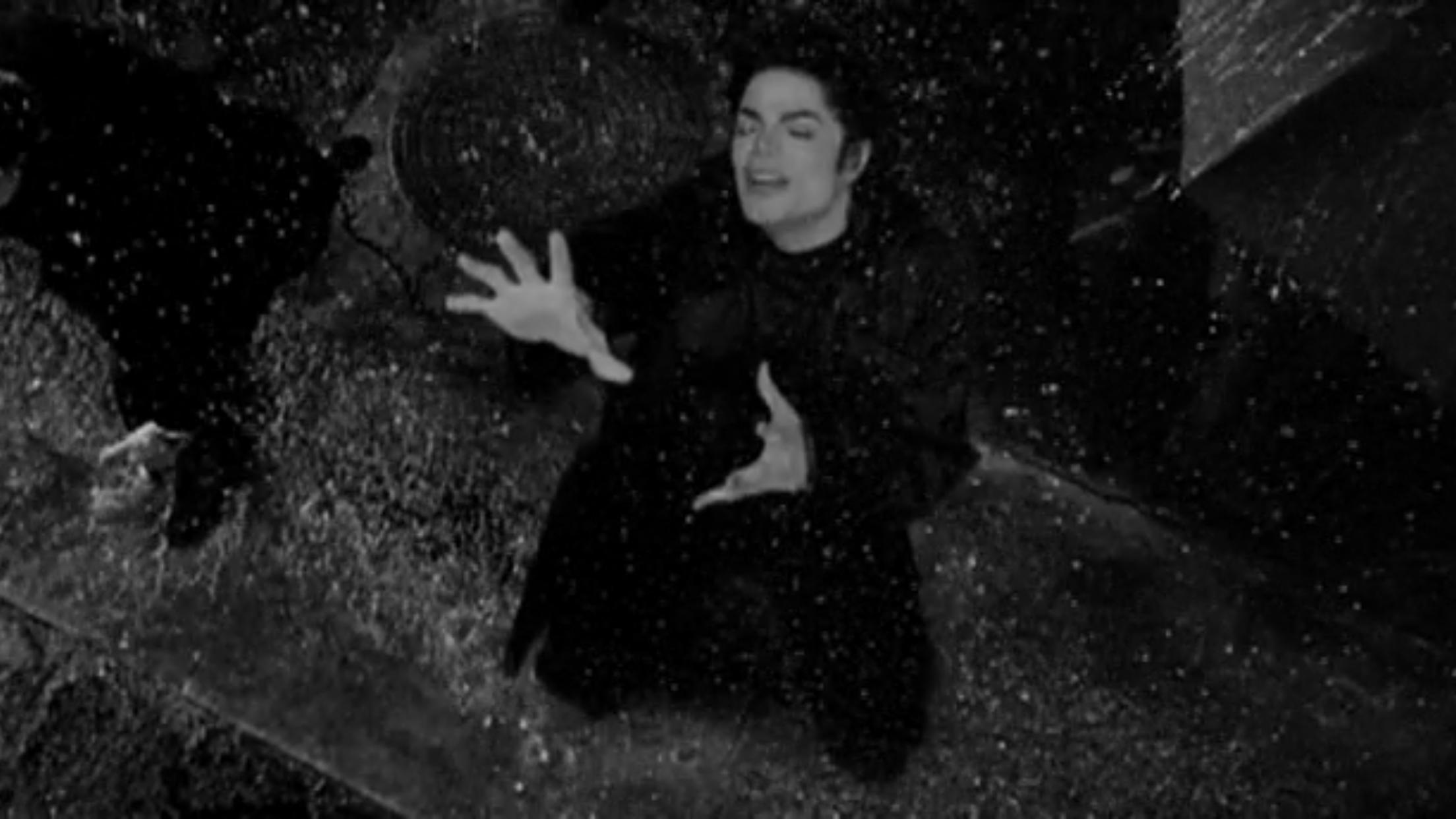
Michael Jackson .::. Stranger in Moscow
Michael Jackson’s 1996 single “Stranger in Moscow” is a somber R&B ballad that serves as a deeply autobiographical reflection on isolation, loneliness, and a sudden fall from grace. Written in a hotel room during a rainy stop in Moscow during his 1993 Dangerous World Tour, the song captures Jackson’s mental state while he was being “crucified” by the press amid high-profile legal allegations.
Lyric Meaning: The “Loneliest Cry”
Jackson often referred to this track as one of the loneliest he ever wrote.
Isolation in Fame: The chorus—”How does it feel when you’re alone and you’re cold inside?”—expresses the paradox of being surrounded by a “sea of fans” outside his hotel while feeling like the “last person on the planet” inside his room.
Betrayal and Paranoia: Lyrics like “KGB was doggin’ me” and “Kremlin’s shadow belittling me” use Russian historical imagery to metaphorically represent the constant scrutiny and “hunting” he felt from the media and authorities in his own country.
A Vulnerable Self-Portrait: The song traces his journey from a “black kid on the rundown streets of Gary, Indiana” to a global icon who felt abandoned by his home country even as he performed for thousands in Russia.
KGB Narrative: The track ends with a Russian voiceover portraying a KGB interrogator demanding a “confession,” reinforcing the theme of being an outsider under suspicion.
Music Video: A Visual Metaphor for Disconnection
Directed by photographer Nick Brandt, the black-and-white music video uses striking visual techniques to reinforce the song’s themes:
The Six Strangers: The video follows six disconnected individuals—including a boy excluded from a baseball game and a woman sitting alone in a cafe—who exist in a state of isolation while the rest of the world moves past them in “bullet time” slow motion.
The Cleansing Rain: In the climax, a heavy downpour begins. While others flee, the six “strangers” choose to stand in the rain, allowing themselves to be soaked. This symbolizes a shared human experience of pain and a “baptism” that offers the hope of eventually washing away life’s obstacles.
Loneliness at the Peak: Biographers have noted the video is grounded in Jackson’s real habit of walking neighborhoods at night alone, hoping to find someone to talk to, only to return home feeling invisible.
The track is also notable for its origins; the core melody and chord structure began as a theme Jackson and keyboardist Brad Buxer were developing for the video game Sonic the Hedgehog 3.